- Water Filters Offered
- sku: 9972751495113861
- HYDRANAUTICS CPA7-LD
CPA7-LD HYDRANAUTICS Brackish Water Ro Membrane Element
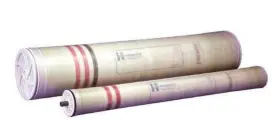
| Brand | HYDRANAUTICS |
|---|---|
| Manufacturer Part Number | CPA7-LD |
| Type | WATER FILTER |
Review HYDRANAUTICS Brackish Water Ro Membrane Element
The Hydranautics CPA7-LD Brackish Water RO Membrane Element is a high-performance reverse osmosis membrane element specifically designed for the treatment of brackish water, which is water with a salinity level higher than that of freshwater but lower than seawater. This element is part of the CPA7 series from Hydranautics, a leading manufacturer of membrane filtration systems.
The CPA7-LD element features a thin-film composite (TFC) design, which allows for high rejection rates of contaminants while maintaining a high water flux rate. The membrane material is made of a robust polysulfone (PSU) substrate, coated with a thin layer of polyamide (PA) for optimal solute rejection and excellent chemical resistance.
Each element is housed in a sturdy, fiberglass reinforced polypropylene (FRP) pressure vessel, which provides strength and durability. The vessel is equipped with a high-quality, chlorine-resistant elastomeric gasket to ensure a tight seal and prevent leakage.
The CPA7-LD element has a nominal capacity of 4040 gallons per day (GPD) and a maximum operating pressure of 100 psi. It is designed to remove a wide range of contaminants, including salts, minerals, organics, and bacteria, making it ideal for brackish water applications in various industries, such as agriculture, food and beverage, and water supply.
The Hydranautics CPA7-LD Brackish Water RO Membrane Element is easy to install and maintain. It is compatible with various pre-treatment and post-treatment systems, and it can be operated in both normal and high-pressure configurations. The element is also compatible with Hydranautics' patented membrane cleaning system, ensuring optimal performance and extended membrane life.
In summary, the Hydranautics CPA7-LD Brackish Water RO Membrane Element is a high-performance, robust, and versatile solution for the treatment of brackish water. Its thin-film composite design, sturdy construction, and high rejection rates make it an excellent choice for various industries and applications, while its easy installation and maintenance ensure a hassle-free experience for users.
The Hydranautics CPA7-LD and CPA7-LD-4040 brackish water RO membrane elements are popular choices for reverse osmosis (RO) systems designed to treat water with a moderate salt concentration. Here are some pros and cons of buying these membrane elements:
Pros:1. High Rejection Rate: These membranes are known for their excellent rejection rate of contaminants, including TDS (total dissolved solids), turbidity, and various ions. They can effectively remove up to 99% of the dissolved salts and other impurities from the feed water.
2. Durability: Hydranautics membranes are made using proprietary technology, which results in a robust and durable product. They can withstand high operating pressures and have a long service life, reducing the need for frequent replacements.
3. Versatility: These membranes can be used in a wide range of applications, including industrial, agricultural, and municipal water treatment. They are suitable for treating brackish water with a moderate salt concentration, making them an ideal choice for regions with limited access to fresh water.
4. Energy Efficiency: The CPA7-LD and CPA7-LD-4040 membranes are designed to be energy efficient. They have a low water permeability, which means less water is wasted during the filtration process. This can lead to significant cost savings in the long run.
5. Easy Installation: These membrane elements are relatively easy to install and require minimal maintenance. They can be used with various RO systems and are compatible with a wide range of pre- and post-filters.
Cons:1. High Initial Cost: The Hydranautics CPA7-LD and CPA7-LD-4040 membrane elements have a higher initial cost compared to some other RO membranes in the market. This can be a significant investment for small-scale or budget-conscious applications.
2. Limited Capacity: These membranes have a relatively low capacity, which means they can only process a limited amount of water at a time. This can be a concern for larger applications or industrial settings that require a high volume of water treatment.
3. Sensitive to High Temperatures: The membranes can be sensitive to high temperatures, which can impact their performance and longevity. It is essential to maintain the recommended operating temperature to ensure optimal efficiency and prevent membrane fouling.
4. Requires Regular Maintenance: While these membranes are relatively easy to install and maintain, they still require regular cleaning and replacement to ensure optimal performance. Failure to maintain the membranes properly can lead to decreased efficiency and increased operating costs.
Conclusion:The Hydranautics CPA7-LD and CPA7-LD-4040 brackish water RO membrane elements offer several advantages, including high rejection rates, durability, versatility, and energy efficiency. However, they also come with some disadvantages, such as high initial costs, limited capacity, sensitivity to high temperatures, and the need for regular maintenance.
Based on the above analysis, these membranes are an excellent choice for applications that require effective brackish water treatment and have a moderate budget. They are ideal for small to medium-sized applications, such as residential or small industrial settings, where a high volume of water is not required. However, for larger applications or industrial settings, other RO membranes with higher capacities and lower costs may be more suitable.
Recommendation:If you are looking for a high-quality, effective, and durable brackish water RO membrane for small to medium-sized applications, the Hydranautics CPA7-LD and CPA7-LD-4040 membranes are an excellent choice. They offer excellent rejection rates, are easy to install and maintain, and are energy efficient. However, it is essential to consider the initial investment cost and the need for regular maintenance when making your decision. If you have a larger application or require a higher volume of water treatment, you may want to consider other RO membranes with higher capacities and lower costs.
Details:
Operating limits. Key performance specifications. The thicker feed spacer and ld technology promote better hydraulics, reduced pressure drop, easier cleaning, longer element life lowering overall operating costs downtime. Maximum chlorine concentration.
Engineered with enhanced composite poly amide chemistry and a patented 34 mil feed spacer featuring bio static properties, this 4 x 40 spiral-wound element provides exceptional removal of salts, tic, boron, silica, nitrates even in challenging brackish water conditions. Permeate flow: 2,300 gallons per day 8.71 m /day. Salt rejection: 99.8% 99.6% minimum. Active membrane area: 80 ft 7.4 m.
specifications waterfilterloc:
- brand: Hydranautics
- mpn: Cpa7-ld
- type: Water Filter
shipping waterfilterloc:
- service: usps priority mail medium flat rate box
- transit: 5-10 days
- class: expedited
- type: calculated
- carrier: usps
returns waterfilterloc:
- policy: no returns
general waterfilterloc:
- category: Home & Garden > Small Kitchen Appliances > Purification Soda Makers > Water Filters
offer waterfilterloc:
- started: april 15, 2026
- best offers: true
- prices: $305.00–$737.50
- item condition:
- New
- Open box
- sold #: 7
- availability: in stock
- options: ship-to-home
seller waterfilterloc:
- # reviews: 43
- city: chicago, illinois
- rating: 100.0%
payments waterfilterloc:
- other
- wallet: paypal
- credit card: mastercard
