- Water Filters Offered
- sku: 3610647392040673
- ABUNDANT FLOW WATER 798527085784
798527085784 ABUNDANT FLOW WATER Inline Restrictor Gpd Ro
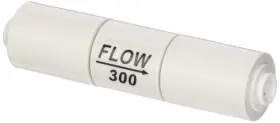
| Brand | ABUNDANT FLOW WATER |
|---|---|
| Part Type | SYSTEM |
| Color | WHITE |
| Size | 420 ML 1/4 |
| UPC | 798527085784 |
| Package Dimensions Lxwxh | 4.02X3.11X0.79 INCHES |
| Weight | 0.02 POUNDS |
Review ABUNDANT FLOW WATER Inline Restrictor For 50 Gpd Ro Systems 1/4 Inch Quick Connect
The Abundant Flow Inline Restrictor 798527085784 is a crucial accessory for anyone using a 50 gallons per day (GPD) reverse osmosis (RO) system with a 1/4 inch connection. This inline restrictor is designed to ensure optimal performance and efficiency of your RO system.
The restrictor is made of high-quality, food-grade materials that are resistant to corrosion and contamination. It is specifically engineered to maintain the correct water flow rate through the RO membrane, preventing overpressure and protecting the membrane from damage. The 1/4 inch connection size makes it universally compatible with most RO systems on the market.
This Abundant Flow Inline Restrictor is easy to install and maintain. It can be installed in-line with the water supply line before the RO membrane, and requires no tools for installation. The restrictor is also easily removable for cleaning or replacement.
The restrictor features a precise flow rate design, which ensures consistent water production and efficient use of membrane elements. It helps to minimize the wastewater produced during the RO process, making it an eco-friendly choice for water filtration.
In summary, the Abundant Flow Inline Restrictor 798527085784 is an essential component for anyone using a 50 GPD RO system with a 1/4 inch connection. Its high-quality materials, easy installation, and precise flow rate design make it a reliable and efficient solution for optimizing the performance of your RO system.
Buying an abundant flow water 798527085784 inline restrictor for a 50 gallons per day (GPD) RO system with a 1/4 inch connect comes with both advantages and disadvantages. Here are some potential pros and cons to consider before making a purchase:
Pros:1. Flow rate control: The inline restrictor will help regulate the water flow rate through the RO membrane, ensuring consistent water production and preventing high flow rates that can damage the membrane.
2. Pressure regulation: By reducing the water flow rate, the inline restrictor can help maintain the proper operating pressure for the RO system, ensuring optimal performance and longevity of the membrane and other components.
3. Cost-effective: An inline restrictor is usually less expensive than other flow control solutions, making it a cost-effective option for RO system owners.
Cons:1. Restricted flow rate: The inline restrictor reduces the flow rate of water passing through the RO membrane, which may not be ideal for some applications that require higher water production rates.
2. Potential for clogging: The restrictor can potentially become clogged with mineral deposits or other particles, which can reduce its effectiveness and require regular cleaning or replacement.
3. Limited compatibility: The 798527085784 inline restrictor may not be compatible with all RO systems or membranes, so it's important to check the specifications and compatibility before making a purchase.
In conclusion, an abundant flow water 798527085784 inline restrictor for a 50 GPD RO system with a 1/4 inch connect can offer flow rate and pressure regulation, as well as cost-effectiveness. However, it may result in a reduced water flow rate, potential clogging, and limited compatibility.
If you need a consistent water flow rate and pressure for your RO system and are looking for a cost-effective solution, an inline restrictor may be a good option for you. However, if you require higher water production rates or have a system with specific compatibility requirements, you may want to consider other flow control solutions or consult with a RO system professional.
Details:
This is the standard size for 50 god ro system. Inline Flow restrictor to replace defective or be used when replacing your membrane with a higher lower capacity. This is a 420 ml size, you can use anywhere from 350-500 size on the 50 god ro system. Inline Flow restrictor for reverse osmosis ro systems.
specifications waterfilterloc:
- brand: Abundant Flow Water
- part type: System
- color: White
- size: 420 Ml 1/4
- upc: 798527085784
- package dimensions lxwxh: 4.02x3.11x0.79 Inches
- weight: 0.02 Pounds
payments Waterfilterloc:
- other
- credit card: diners-club
- wallet: google-pay
general waterfilterloc:
- category: Home & Garden > Small Kitchen Appliances > Purification Soda Makers > Water Filters
seller Waterfilterloc:
- # reviews: 24
- city: southaven, mississippi
- rating: 100.0%
returns Waterfilterloc:
- paid by: seller
- time: 30 days
- method: money back
- policy: returns accepted
offer Waterfilterloc:
- in stock #: 2
- sold #: 26
- options: ship-to-home
- started: march 3, 2025
- availability: in stock
- prices: $205.35–$350.00
- item condition:
- New
- Used
shipping Waterfilterloc:
- class: expedited
- type: fixed
- transit: 4-10 days
- service: expedited
Similar Items:
- Abundant Flow Water 670541139950 Flushing Restrictor Ro Flush Valve Kit 50 Gpd Easy as turning the handle. The unit comes with female threaded fittings 1/4, it also quick connect 1/4 to make connecting your tubing easier if needed. Just put Teflon tape on the fittings and screw them into flushing Flow restrictor. Recommend flushing the membrane if unit has been sitting for a ...(January 5th, 2025)
- Abundant Flow Water 783583353069 3 Stage 10-inch Drinking Filter For Fluoride And Heavy Metal Removal See more details. Once the safety disc has detected Water it expands and trips Folk lever to shut off entering filtration device. Push down on the lever release and it closes, or lift up to lock open. The Folk leak protection system is an innovative device that installs right below your Water ...(March 25th, 2026)
